How to Choose the Best Metal for Your Diamond Wedding Ring Set
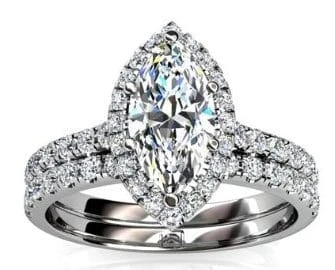
The best metal for a diamond wedding ring set depends on your lifestyle, budget, and color preference, but platinum and 14k gold offer the best balance of durability and comfort for daily wear.
Choosing a metal for a diamond wedding ring set is a decision that affects how the rings will look, feel, and hold up over many years of marriage. Each metal brings its own strengths and trade-offs, so understanding how they compare helps you make a confident choice.
Platinum: the heirloom choice
Platinum is a dense, white metal that is naturally hypoallergenic and very durable. Unlike white gold, which is plated with rhodium to achieve its white color, platinum stays white throughout its life. It develops a soft patina over time that many people find appealing. Because platinum is denser than gold, rings made from it feel heavier and more substantial. This metal is an excellent choice for those who want a ring that will last generations and do not mind a higher upfront cost. Platinum also holds diamonds securely because the metal can be worked into precise settings without becoming brittle.
Gold: classic beauty with choices
Gold has been the traditional metal for wedding rings for centuries, and it remains a popular option today. The purity of gold is measured in karats, with 24k being pure gold. Pure gold is too soft for daily wear in a ring, so it is alloyed with other metals to increase hardness. Common choices include 14k and 18k gold. 14k gold contains more alloy metals, making it harder and more scratch-resistant than 18k, which has a richer gold color but is softer. For a diamond wedding ring set that will be worn every day, 14k gold offers a practical balance of beauty and durability.
Yellow gold: warm and timeless
Yellow gold is the classic choice for wedding rings. Its warm color complements many skin tones and looks especially beautiful with diamonds of higher color grades, where the contrast makes the diamond appear whiter. Yellow gold does not require any plating, so its color will not change over time. It does scratch with wear, but these scratches can be polished out by a jeweler when needed. For those who prefer a traditional, warm look that does not require maintenance of a surface coating, yellow gold is a strong contender.

White gold: bright and modern
White gold offers a sleek, contemporary look that pairs well with diamonds. It is created by alloying yellow gold with white metals like palladium or nickel and then plating the ring with rhodium, a platinum-group metal. This rhodium plating gives white gold its bright, reflective white surface. Over time, the plating wears off and the ring may begin to appear slightly yellow. Replating every one to two years restores the finish. White gold is generally harder than platinum, making it resistant to scratching, but the plating process is an ongoing maintenance cost to consider. If you have sensitive skin, be aware that some white gold alloys contain nickel, which can cause allergic reactions. In that case, ask for nickel-free white gold or consider platinum.
Rose gold: romantic and unique
Rose gold gets its pinkish hue from copper added to the gold alloy. The higher the copper content, the redder the metal appears. Rose gold has grown in popularity for its romantic, vintage feel. It does not require plating, so its color stays consistent. Because copper is a hard metal, rose gold alloys tend to be quite durable, especially in 14k. This makes rose gold a practical choice for those who want something different but still long-lasting. It also complements diamonds very nicely, especially in warmer skin tones.
Metal hardness and your daily life
The hardness of the metal affects how well your rings will resist scratches and dents. Harder metals like 14k gold and palladium resist surface scratches better than softer metals like 24k gold or pure platinum. However, hardness is not the only factor. Platinum, while softer on the Mohs scale than many gold alloys, is a denser metal. When it does scratch, the metal is not lost. It simply displaces, meaning scratches can be polished out over time without losing metal. Gold, on the other hand, can wear away slightly when scratched. For a diamond wedding ring set worn daily, choosing a metal that matches your lifestyle matters. If you work with your hands often, a harder alloy like 14k gold or palladium may serve you better. If you prefer a metal that wears evenly and can be restored to look new, platinum is an excellent choice. Those are the metals that wear evenly and respond well to periodic polishing.
Metal allergies and skin sensitivity
Some people react to certain metals, especially nickel, which is commonly used in white gold alloys. If you have sensitive skin, look for metals labeled as nickel-free or hypoallergenic. Platinum is naturally hypoallergenic, as are high-karat golds and palladium. Rose gold contains copper, which can cause reactions in very rare cases, but it is generally safe for most people. It is wise to test a metal by wearing a sample ring for a few days before committing to the full purchase.
Color coordination with your diamond
The metal color you choose can affect how the diamond looks. White metals like platinum and white gold can make a diamond appear whiter and brighter, which is helpful if your diamond has a slight yellow tint. Yellow gold can make a very white diamond look even whiter by contrast, or it can make a slightly yellow diamond appear more yellow. Rose gold adds a warm tone that can make diamonds look richer. Consider the color of the diamond and decide which metal you prefer for the overall look.
Maintenance and care
All metals require some care. Platinum can be polished at home with a soft cloth, but professional polishing is best for deep scratches. White gold needs rhodium replating every year or two. Yellow gold and rose gold can be polished by a jeweler to remove scratches. For rings with diamonds, regular checks of the prongs are essential, as the metal can wear down over time. A jeweler can tighten the prongs and check for any loose stones. The metals that wear evenly, like platinum and high-karat golds, can be maintained well with routine care.
Ultimately, the best metal for your diamond wedding ring set is the one that fits your budget, matches your style, and suits your daily life. Consider how much maintenance you are willing to do, whether you have skin sensitivities, and which color appeals to you most. With these factors in mind, you can choose a metal that will serve you well for a lifetime.